I worked at Kleros for five years during my doctoral studies. I’m currently a postdoc researcher at Stanford. I wanted to share my perspective with you, in order to start a debate that I believe is fundamental and with it hoping to bring about a radical and immediate change in Kleros’s strategy. My motivation for sharing my reflections with you in article form stems, firstly, from the current situation and, more specifically, from recent discussions within the Kleros discussion channels, which I have followed closely. Secondly, it is based on the conclusions I drew from my experience at Kleros during my PhD.
The observation
The current model of “decentralized justice” has not achieved the mass market adoption required for the long-term survival and growth of the protocol. I think Kleros has to pivot the efforts toward becoming the ultimate oracle for Prediction Market, placing those platforms such as Seer at the center of its ecosystem.
A lucid assessment of Kleros current trajectory
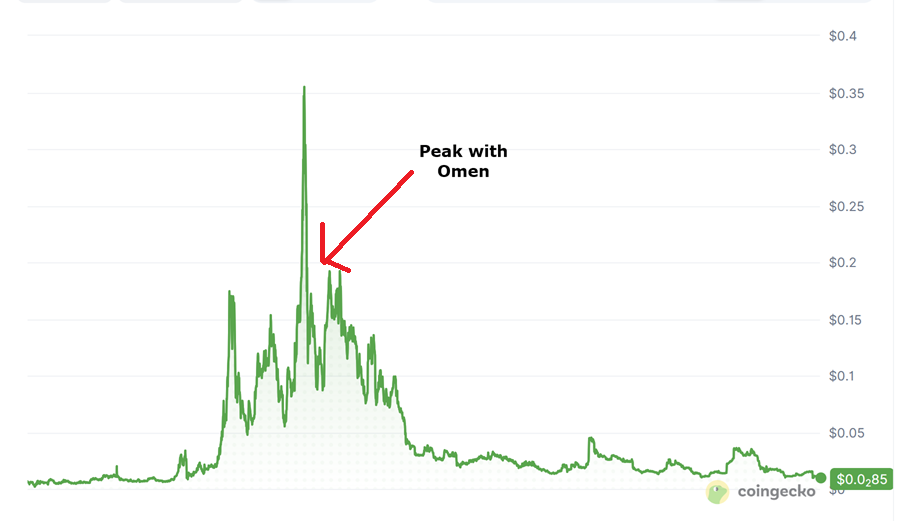
To build a successful future, we must look at our past and present results without complacency. The signals from our community and our usage metrics (such as PNK price, TVL, etc) clearly indicate an urgent need for change.
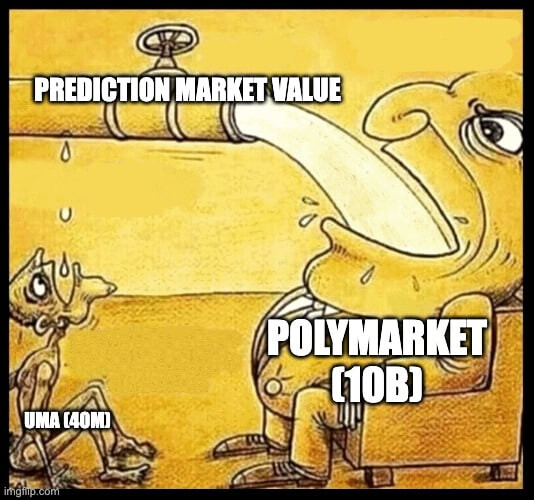
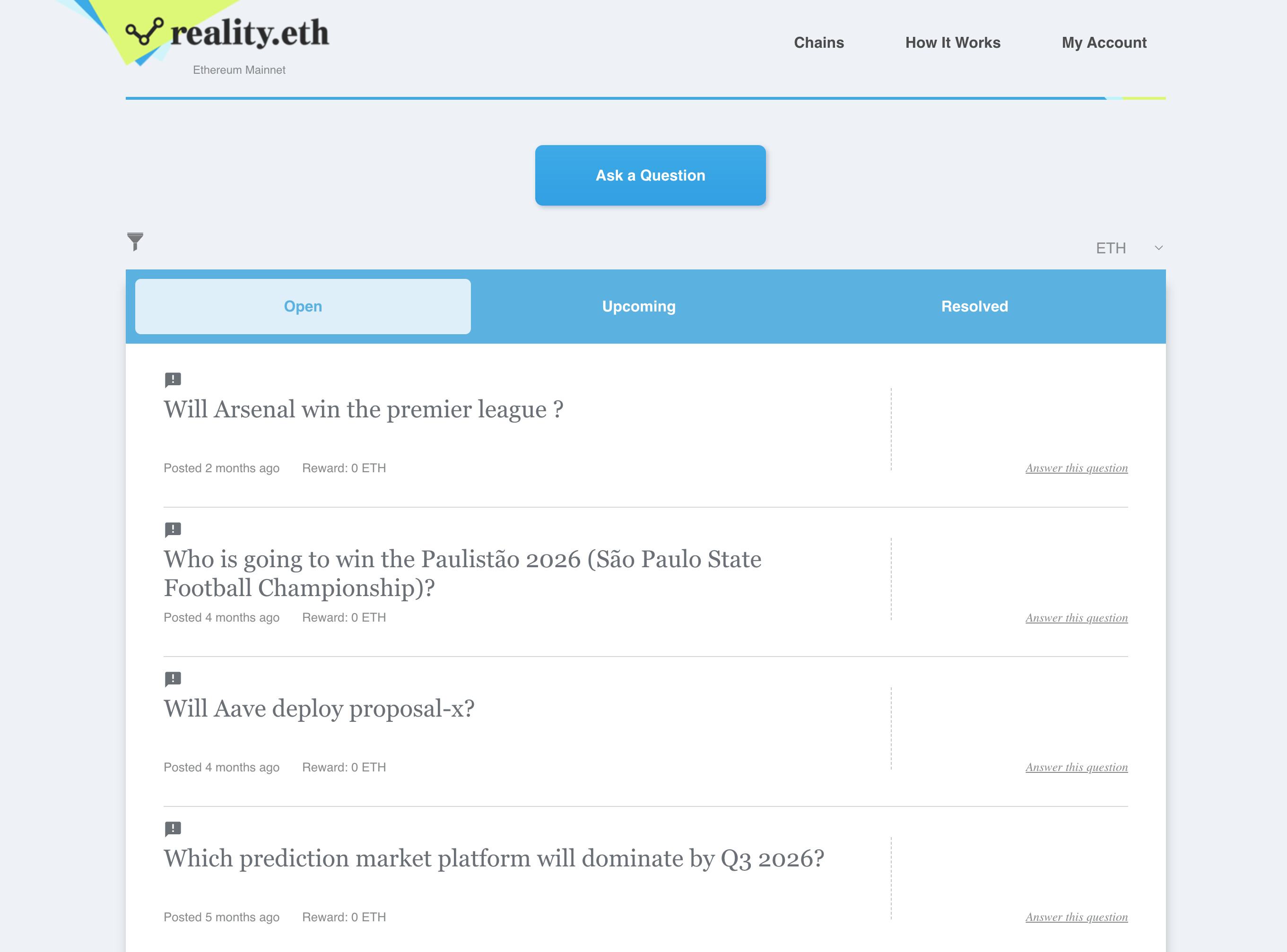
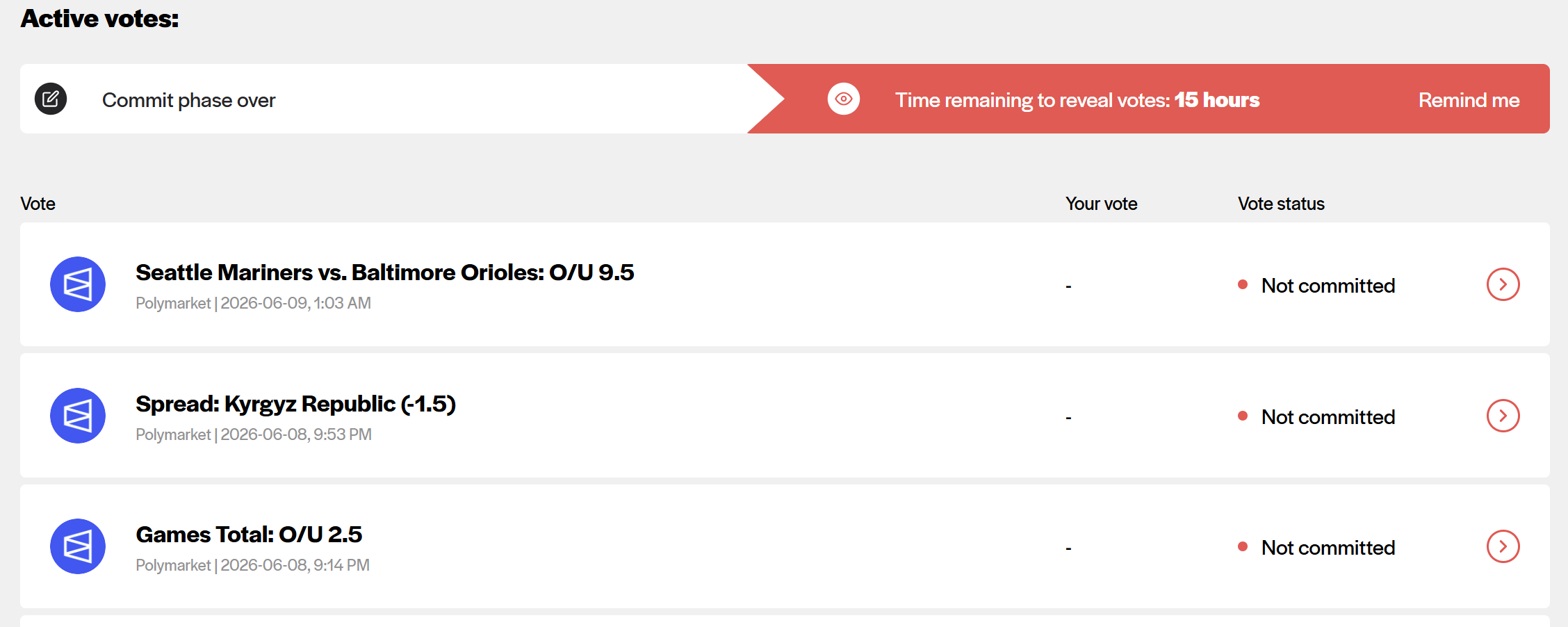
- The loss to UMA (For Now): In terms of raw adoption and value capture as an optimistic oracle, Kleros has, for the time being, lost the battle against UMA. While Kleros functions just as well technically (or even better), we have failed to secure considerable and recurring volume. The status quo is no longer an option.
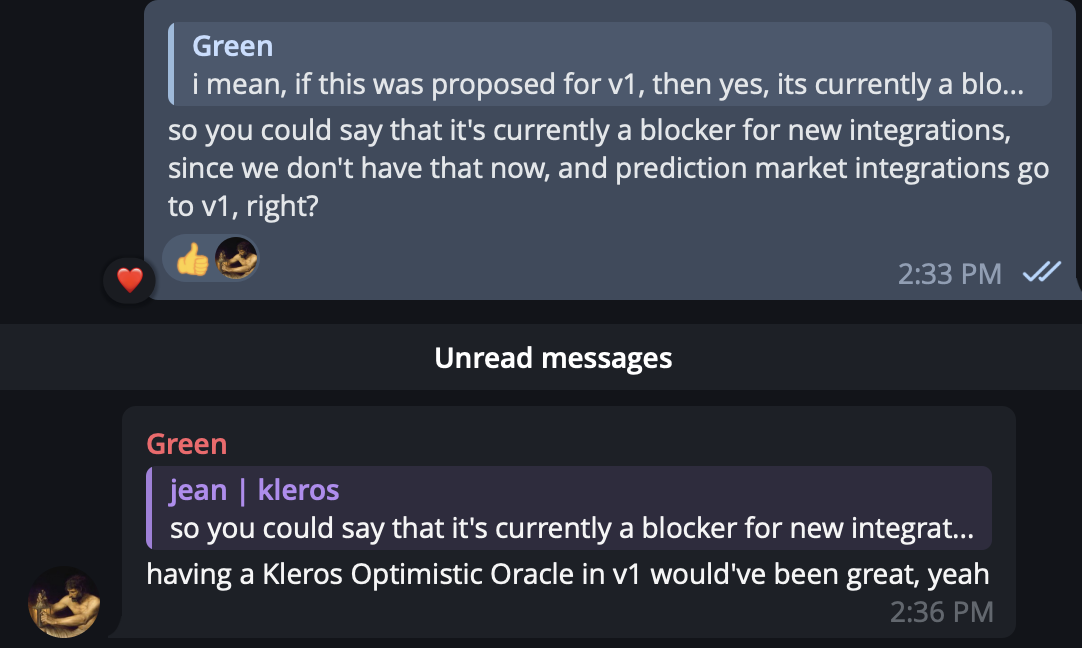
- Lost lead on Prediction Markets (Gnosis - DXDAO): Kleros had a major historical and strategic advantage through its early work with DXDAO. We let this opportunity slip away, even though prediction markets are now one of the most explosive and high-momentum sectors in Web3 in particular for dispute resolution.
- The Failure of Proof of Humanity (PoH): The lack of significant resources and focus poured into Proof of Humanity failed to create the intended economic leverage or utility for the Kleros protocol and the PNK token.
- Among the positive points not to be overlooked: PoH reached approximately 20,000 registrations and was at one point more well-known than Kleros itself. Omen generated several million dollars in TVL and a $2.5 million lawsuit.
The failure of these projects was organizational, not technological : the protocol itself was never hacked and functions correctly from both a technical and game-theory perspective.
Diagnostic
The initial hypothesis that the market would massively adopt “decentralized justice” for dispute resolutions has proven to be wrong. Kleros possesses world-class technology and expertise, but we lack the killer app capable of making the protocol take off.
Moreover, the current runway is less than 5 years, with no significant recent revenue. A status quo will simply imply the end of Kleros.
A solution: Leveraging Prediction Market and Seer
Prediction markets are experiencing a massive take off. Futarchy (“voting on values, betting on beliefs”) could be the application of prediction market, cf https://www.lesswrong.com/w/futarchy\
Kleros must capitalize on this momentum and its historical expertise. Our best, and potentially only at the moment, opportunity for real and concrete growth lies in Prediction Market.
Notably, Seer already functions as a base layer with organic demand from institutions (EF, Gitcoin, RealT), customers acquired with very little sales effort. Second-layer projects like futarchy.fi and forks (Butter) are already expanding the ecosystem. Kleros’ involvement creates a multiplier effect: the Coop’s spending is amplified by that of Seer One, second-layer projects, and DAO clients using futarchy.
To conclude, here is a strategic pivot in few points:
- Prediction Market as the priority: Most of the economic, marketing, and development efforts of the DAO should be primarily deployed to push and scale Prediction Market.
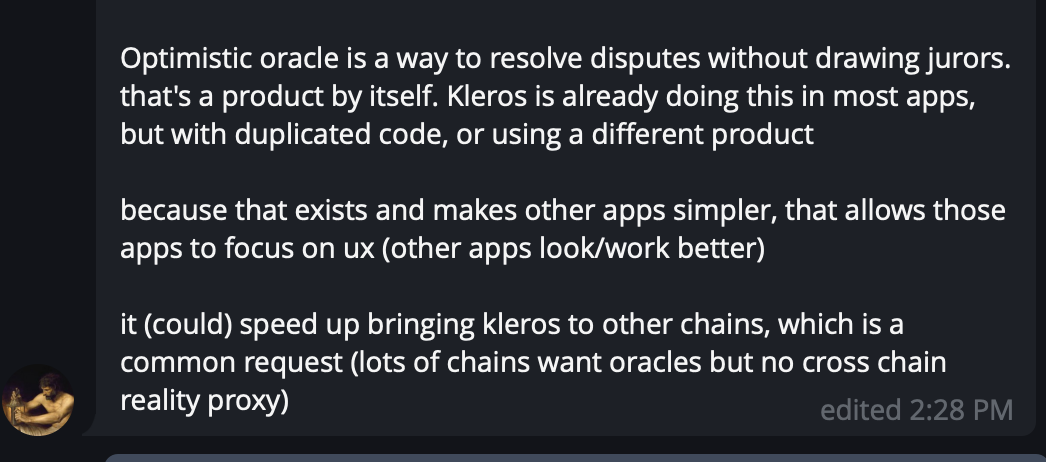
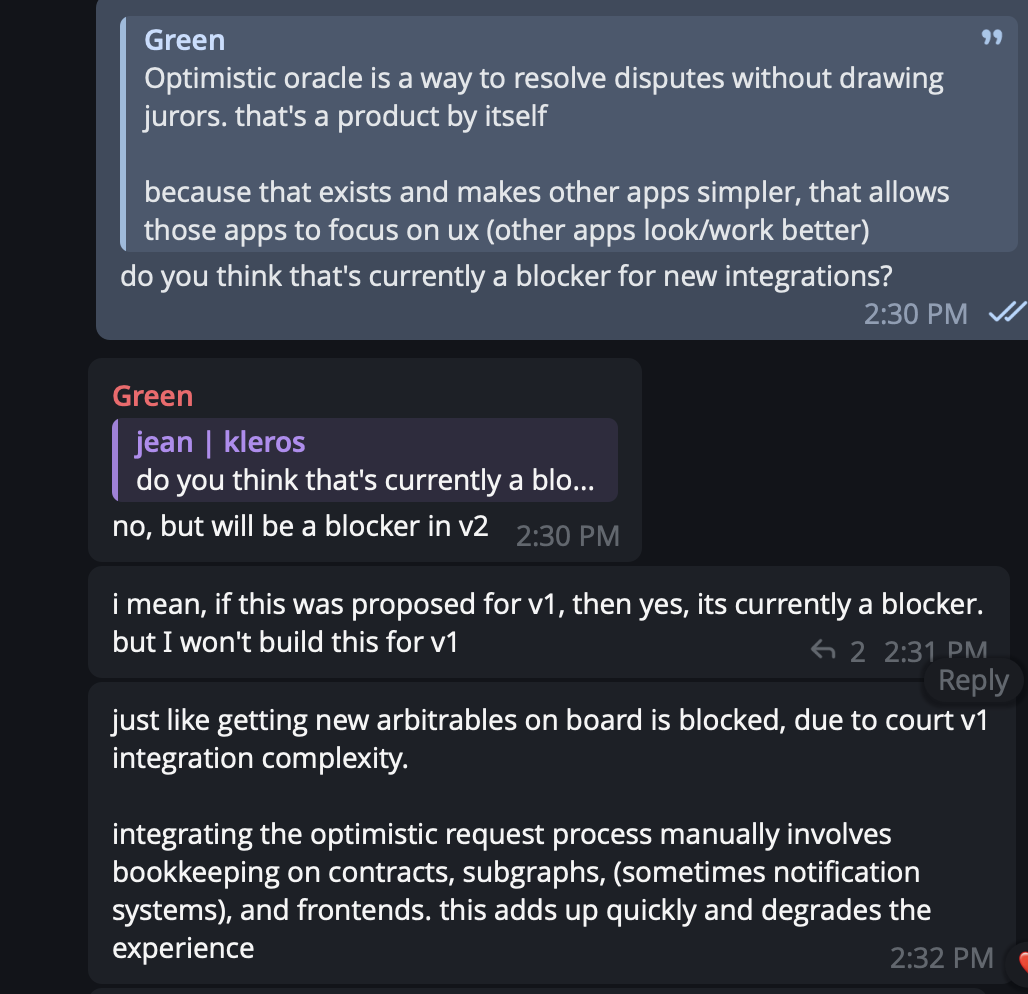
- Kleros as the futarchy Oracle: Kleros should stop spreading itself thin across fragmented use cases and position itself strictly as the indispensable, specialized, ultimate oracle to resolve complex prediction markets and Prediction Market decisions. However, Kleros can continue its current profitable activities with a minimum level of resources required.
I hope my initiative will generate constructive exchanges, revitalize the community and unite the Kleros ecosystem and its community around an ambitious project for Kleros to make it!